Promoting urban wild bee diversity with MobiGa
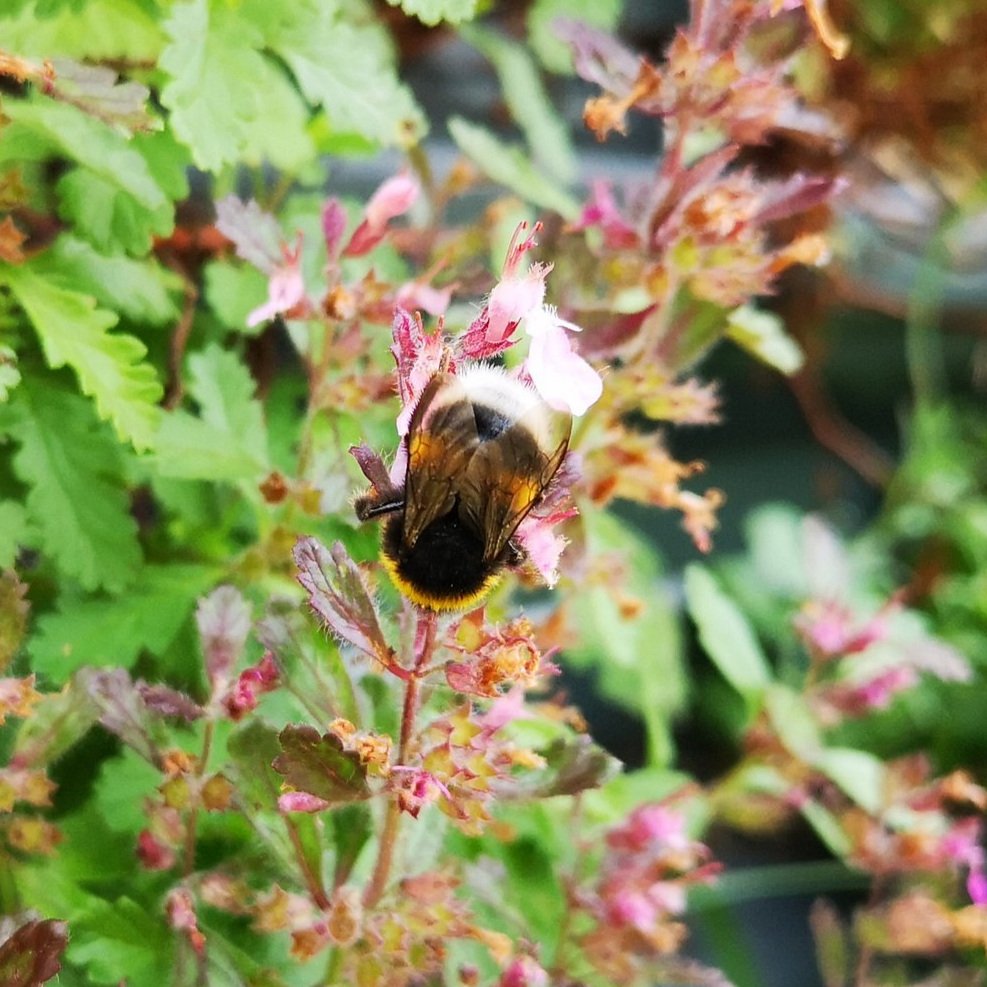
In 2015, the International Union for Conservation of Nature examined the status of wild bee species in Europe for the first time – and the results are alarming. Almost one in ten wild bee species in Europe is threatened with extinction, mainly due to industrial and cleared agricultural landscapes. This is exacerbated by the fact that many wild bee species are specialists with specific requirements in terms of nesting sites and food plants. In order to protect the diversity of wild bees, it is essential to preserve and create diverse and structurally rich landscapes.
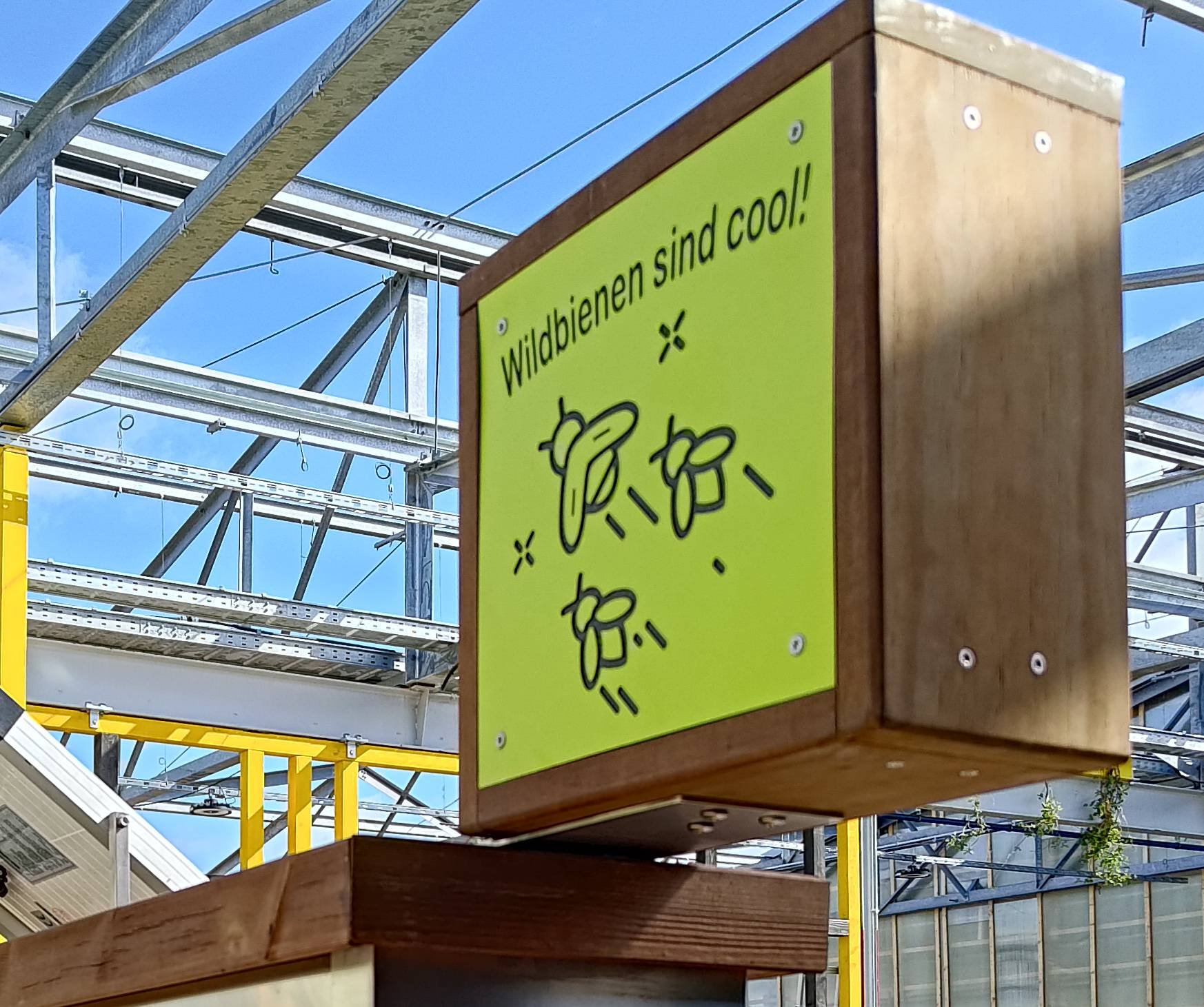
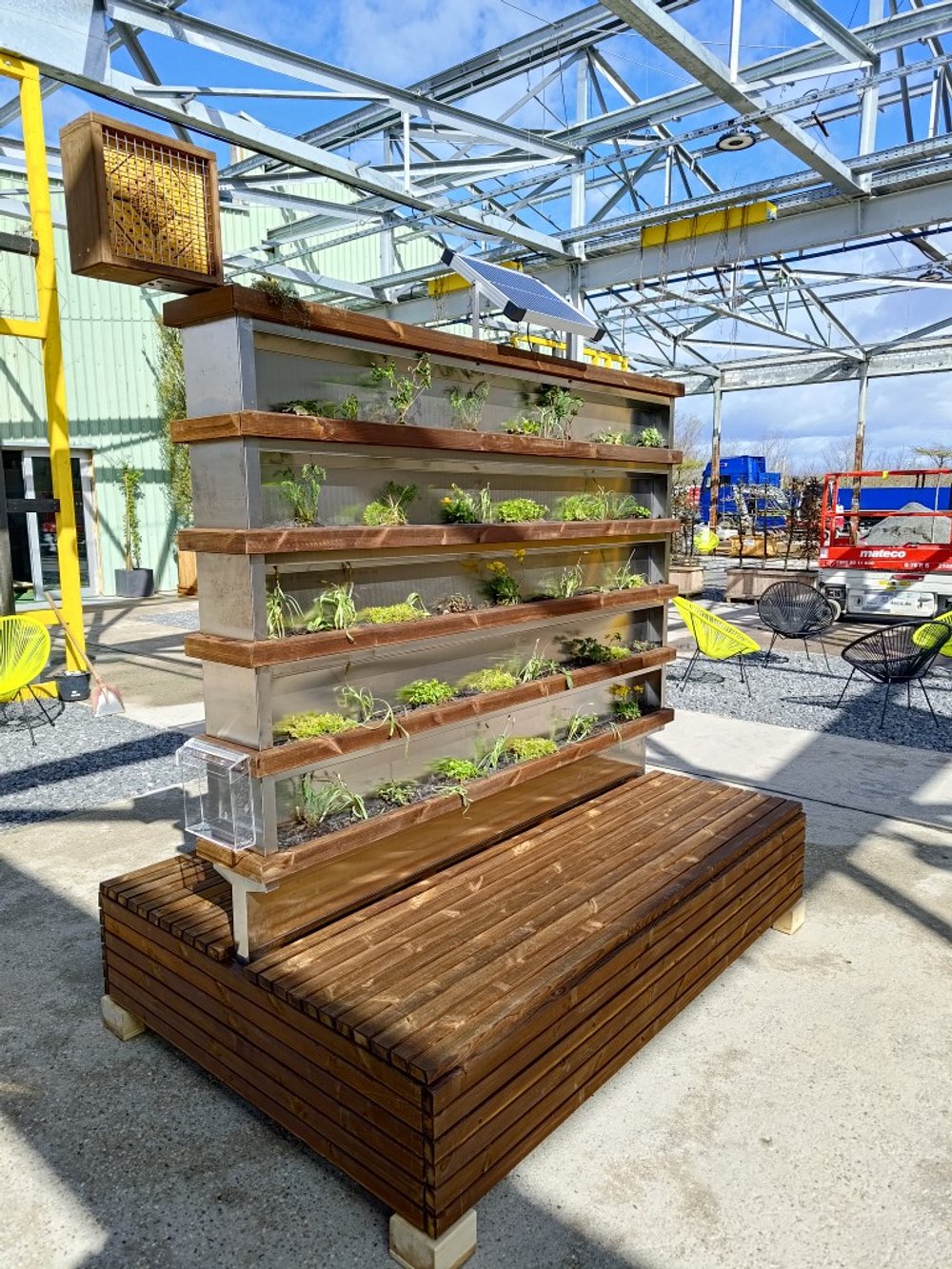
But we can also help to promote wild bee diversity in our own homes, whether in the garden, on the patio, or on the balcony. By specifically sowing certain plants and providing suitable nesting aids, we can create an optimal environment for wild bees. Preserving these endangered insect species therefore requires our commitment and action not only on a global level, but also on a local level.
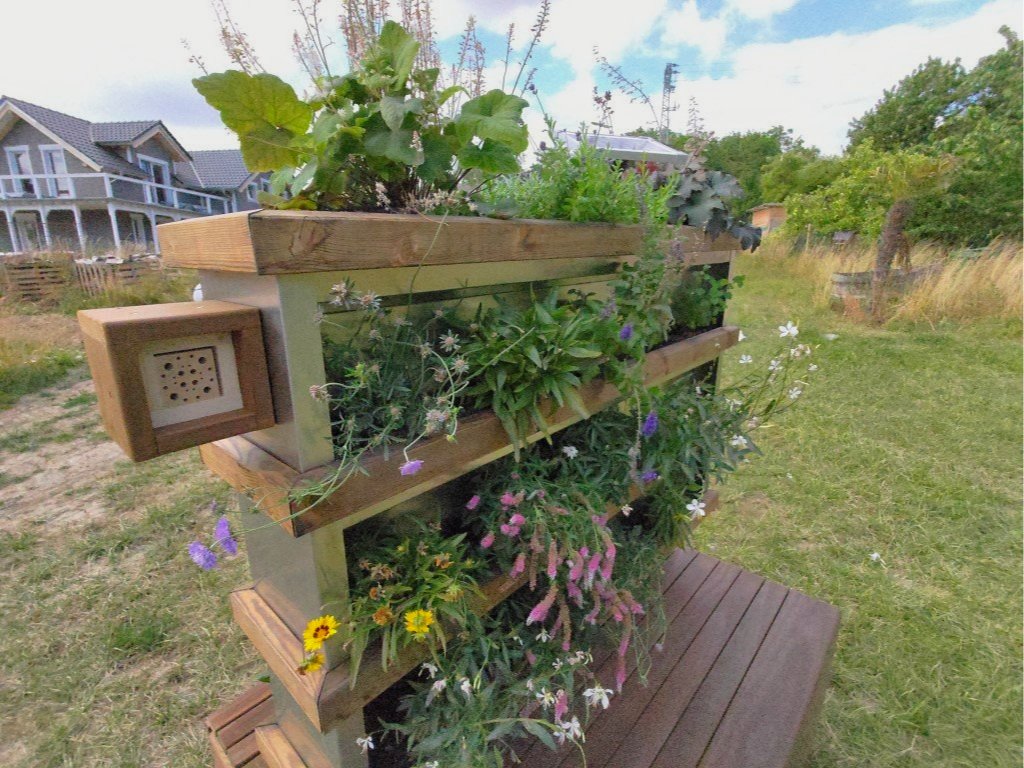
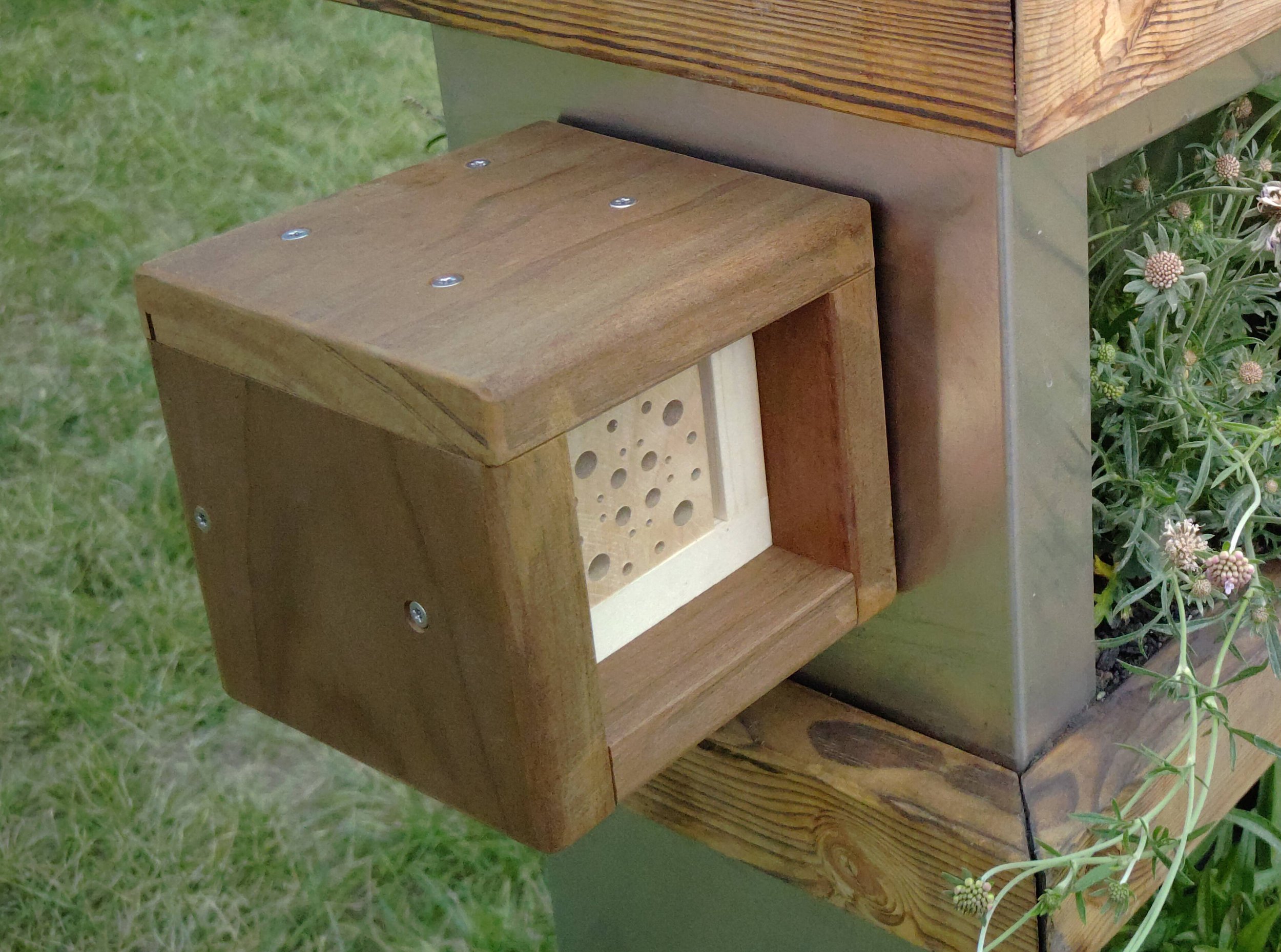
That is why we also offer high-quality nesting aids for wild bees and insect hotels for our MobiGa systems, which are specially designed for planting and the needs of wild bees. This creates an ideal environment for their development. Not only can you actively contribute to promoting wild bee diversity, but you can also carry out targeted public relations work or launch an environmental education project.
In collaboration with our partner UDATA, we offer the development and implementation of high-quality educational projects. Whether you want an informative information board, are looking for a supervised information stand with optimally equipped MobiGa systems, or are planning analog/digital courses, we are here to support you with our expertise. Together, we design projects that not only promote wild bees but also raise awareness of the importance of nature conservation.
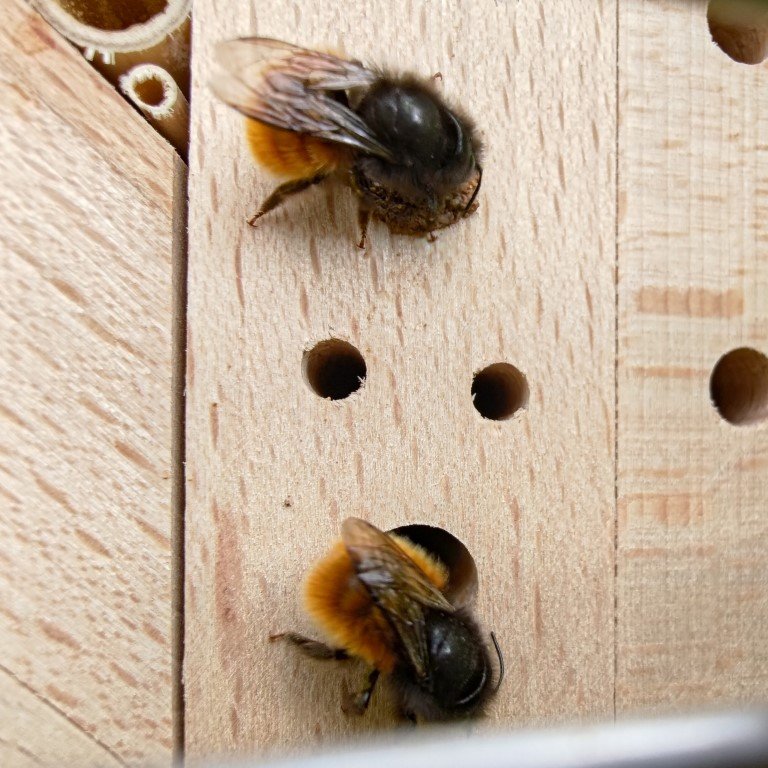
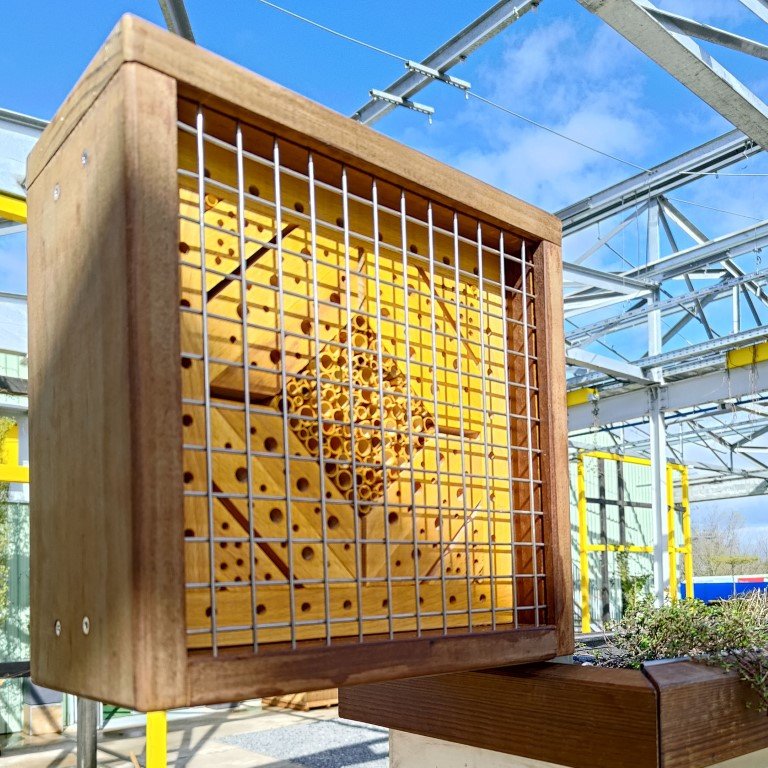
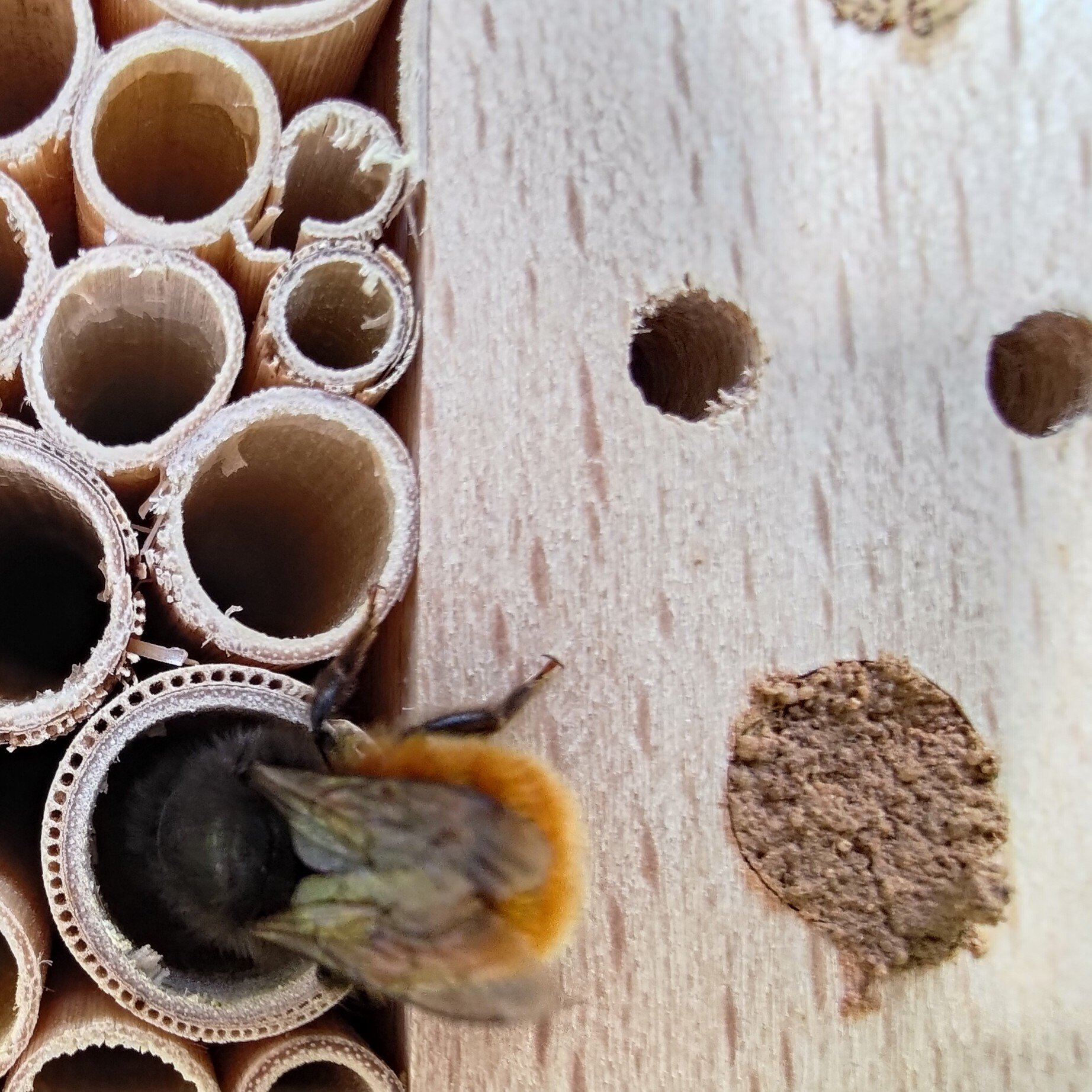
We source our nesting aids from Wildbienenglück and have adapted them specifically for the MobiGa systems with improved weather protection. They feature a core made of specially dried and natural beech wood. In addition, reeds from the Danube Delta are integrated into the nesting aid to create an optimal environment for wild bees. The holes in the hardwood blocks are drilled against the grain to prevent cracking and moisture accumulation. With diameters ranging from 2 to 10 mm, the holes and reed tubes correspond to the preferred passage widths of various wild bee species that feed on the plants in the MobiGa systems.
Our nesting aids not only provide shelter for a variety of wild bee species, but have also been carefully designed to protect them from the elements. The Kebony wood cladding and the impregnation of the core with an insect-friendly protective paint ensure a long service life. A stainless steel bird guard also prevents the larvae from being pecked out. For a personal touch, the back wall of the nesting aid can be customized with individual graphics on request. In this way, we not only create a safe habitat for wild bees, but also an aesthetically appealing and customizable solution for nature lovers.
By the way, concerns about being stung by wild bees in wild bee hotels are completely unfounded! Unlike honey bees, solitary wild bees do not sting. Since they do not form colonies, they have no need to defend themselves and are not aggressive by nature. Wild bees are rather shy and will only sting if they are touched or caught. Even if this happens accidentally, small wild bees are unable to penetrate the skin with their stingers. Larger species may cause a slight sting, but without causing swelling. To date, there are no known allergic reactions to wild bee stings. So you can welcome wild bees to your MobiGa system without hesitation and enjoy their fascinating world without worrying about stings.